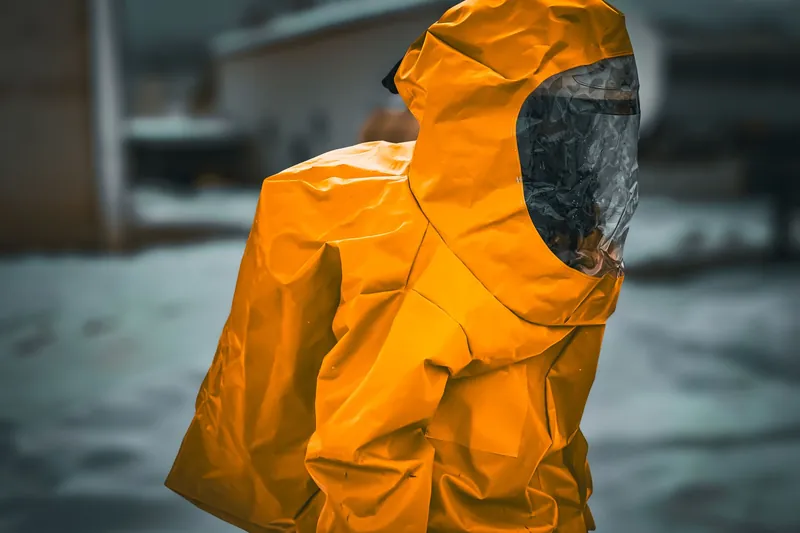
Biohazard Cleanup
Blood, body fluids and other infectious materials are removed, followed by property disinfection.
See biohazard cleanupGet biological contamination removed from a home, apartment, rental or business near Foxcroft. Cleanup can include containment, material removal, disinfection, waste disposal and odor treatment.
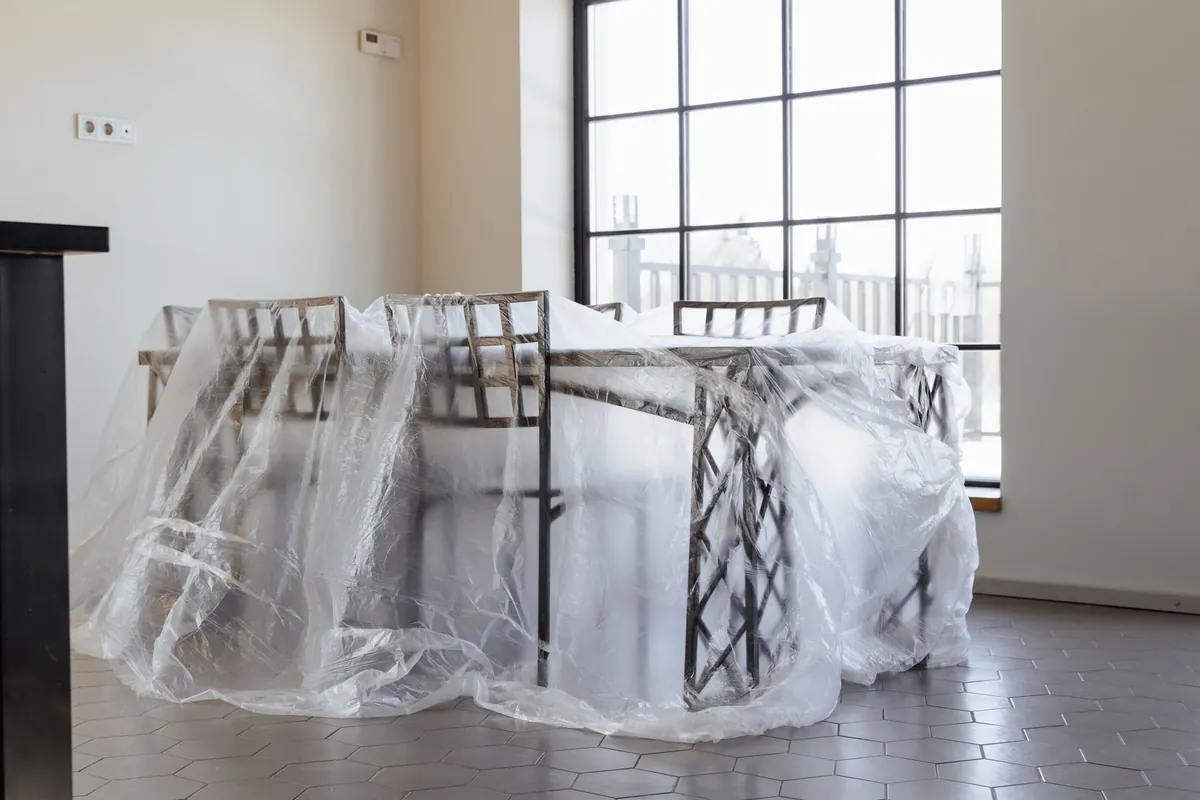
Biohazard remediation is a controlled process that clears biological contamination and returns an affected space to use. It includes surface cleaning and disinfection, disposal of waste and treatment for odor.
A biological hazard is material that may expose people to harmful microorganisms or toxins. At a property, that can include blood, bodily fluids, human waste, sewage, animal waste or material affected by an infectious illness. The work is different from ordinary cleaning because contamination can enter carpet, padding, unfinished wood, drywall seams and other hidden areas.
Finding the entire contaminated area comes before containment, removal, cleaning, disinfection and possible odor treatment. For a surface that can be cleaned, an EPA-registered disinfectant must remain for the contact time stated on the label. Porous items are removed, packaged and disposed of under state rules if full disinfection is not possible. Source removal must happen before odor control.
Photos, a defined scope, invoices and waste records can help you explain the loss and completed work to an adjuster, landlord or property manager.
Before anything is relocated, point out important papers and keepsakes. Sort all items into three categories: unaffected, cleanable and unable to be cleaned.
Unmarked vehicles are used when crews arrive. Ask how crews plan to manage parking, entry and material movement around staff, tenants or nearby residents.
A biohazard remediation company should explain which areas are affected, what will be cleaned, what may be removed and which separate repairs could follow remediation. Ask biohazard remediation companies which cleanup technicians go into the affected zone and who defines the project scope.
Biohazard remediation services are appropriate when a biological contaminant may be unsafe to touch, has spread beyond a small cleanable surface or has soaked into porous material. If emergency response or law enforcement is still active, wait for the area to be released. Every situation then needs its own scope. Common situations include:
In rentals, workplaces, shops and multi-use buildings, specialized cleaning services may require planned steps that keep people away from the work area. Separate restoration services can address flooring, fixture or wall repairs once remediation is complete.
Upholstery, spaces beneath flooring and areas behind baseboards may hold blood or bodily fluids. A visible mark may not reveal the complete affected area.
Hoarding conditions may include human waste, animal waste, spoiled food, sharps and contaminated personal property that need controlled removal.
The effects of an unattended death may reach walls, furniture, floors, subfloor and the air indoors. Personal belongings are sorted carefully during the cleaning process.
Prevent anyone from coming into contact with the affected area first. You can take a few straightforward steps to limit exposure and stop contamination from reaching clean rooms:
Call (888) 440-9227Published biohazard cleanup guides show a wide range because every affected area is different. Fixr lists a typical national range of $3,000 to $5,000. Yelp lists a residential average range of $1,800 to $4,500. A biohazard cleanup pricing guide from Aftermath lists a broader published span of $1,000 to $15,000. An assessment is needed to define the actual scope.
Published national cost guides are the source for these ranges, rather than an inspection of your property. After an on-site assessment, the price for your property is determined and shared with you before cleanup begins.
Ask about cost: (888) 440-9227Insurance may pay for biohazard remediation when the cause of loss is covered by your policy. Coverage, exclusions and deductibles vary, so only your insurance company can confirm payment for your claim. Insurance companies may also request photos, a scope and disposal records.
Ask the insurer about your deductible, policy limits, exclusions and required records, including whether biological cleanup is treated separately from repairs. Record the claim number and adjuster contact.
A property owner or business should check the building and liability policies that may apply. Gathering waste records, invoices, cleanup scope details and photos for the claim can be part of insurance assistance.
Describe the contamination's cause when reporting the event, not merely the cleaning work required. Determine if the covered loss extends to repair work, material removal, disinfection and treatment for odor.
Victims of violent crime can ask the North Carolina Department of Public Safety's Office of Victim Compensation Services about crime scene cleanup, which the program lists among accepted expenses. Insurance is usually checked first.
Biohazard remediation begins with assessment, then proceeds through containment, material removal, detailed cleaning and the final check. Following this sequence helps limit contact and cross-contamination while keeping all work within the agreed scope. Removal must come before disinfection when affected material cannot be cleaned.
The affected rooms, paths of travel and nearby surfaces are examined. The scope records what appears cleanable, what may need removal and what areas need protection.
Barriers separate the work zone from clean space. Crew members wear personal protective equipment matched to the exposure and manage travel between work zones.
Surface cleaning starts only after workers collect visible material and sharps. Sharps go into puncture-resistant containers, and affected porous items are packaged separately.
Materials such as drywall, carpet, padding, insulation, furniture upholstery or subfloor sections are taken out when contamination inside them cannot be fully disinfected.
After soil is removed through cleaning, an EPA-registered disinfectant is applied to the surfaces that remain. The product label determines how long the treated surface must remain wet.
Odor treatment follows the removal of sources carrying contamination. Material type, room conditions and occupancy can guide whether HEPA air filtration or another treatment is used.
Material that is removed is sealed, labeled when necessary and placed in the proper medical or hazardous waste stream. Documentation may show which materials were removed from the property.
A check compares the work zone with the scope that was agreed upon. Before other finishes, floors or drywall receive separate repairs, photos and remediation records can help document an insurance file.
Call at any time. Your biohazard remediation specialist answers the phone, describes what happens next and works with you on a start time.
Biological contamination may pose serious health risks when it touches skin, splashes, involves sharp objects or moves on hands, footwear or tools.
A death, injury or severe property event can be difficult for you and your loved ones to face. While you keep out of the affected area, cleanup crews can document the space and clarify each decision.
Bloodborne pathogens may be present in blood. Because the CDC says hepatitis B may remain on surfaces for at least seven days, dried blood must still be cleaned and disinfected with care.
Rules based on the location and waste type govern how sharps, affected porous material and other waste are sorted, packed and moved.
Can you clean it yourself? If a non-porous hard surface has only a few drops, prevent access, put on disposable gloves and apply an EPA-registered disinfectant for every minute directed on its label. Professional cleanup is appropriate if contamination involves sewage or sharps, enters fabric, carpet, drywall or bare wood, or spreads past boundaries you can identify.
Non-porous materials can often stay when every affected surface can be reached, cleaned and disinfected. Absorbent materials may need removal when contamination has entered beneath the surface.
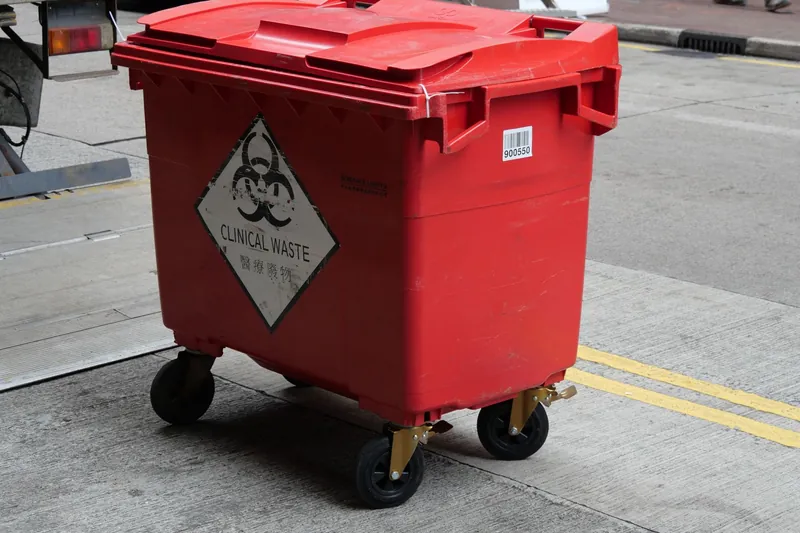
For possible workplace blood contact, the OSHA Bloodborne Pathogens Standard, 29 CFR 1910.1030, requires worker exposure controls, protective equipment, training and safe handling.
A disinfectant should be EPA-registered for the intended use. The surface needs cleaning before disinfection and must stay wet for every minute of contact time on the label.
North Carolina treats soaked materials from a biohazard scene as medical waste. Rules from the state Department of Environmental Quality's Solid Waste Section control how it is packaged, stored, transported and treated, so it cannot go in household trash.
North Carolina uses a statewide medical examiner system run by the Office of the Chief Medical Examiner, with county medical examiners appointed in each county. Cleanup starts after police or the medical examiner or coroner release the scene.
Biohazard remediation does not have one standard completion time. Duration changes with the contaminant, its travel distance, affected materials, required drying or contact time, the amount of waste and any need to open hidden spaces.
The full biohazard remediation guide covers what is cleaned or removed, odor and air quality work, and the rules that apply in North Carolina and Mecklenburg County.
Read the full biohazard remediation guideLocal population patterns, housing and site access may affect how containment and cleanup are planned.
If direct exposure occurs, the closest listed emergency option is Atrium Health Pineville, about 3.3 miles away, not the cleanup site.
The surrounding area includes Barclay Downs, Lionsgate, and Briarcliff, so cleanup travel may cross several local streets or municipal boundaries.
Because this is a neighborhood within Charlotte, cleanup access may depend on local parking, common entrances, or building management rules.
Your phone conversation can include questions about service in nearby ZIP codes and communities.
Blood, body fluids and other infectious materials are removed, followed by property disinfection.
See biohazard cleanup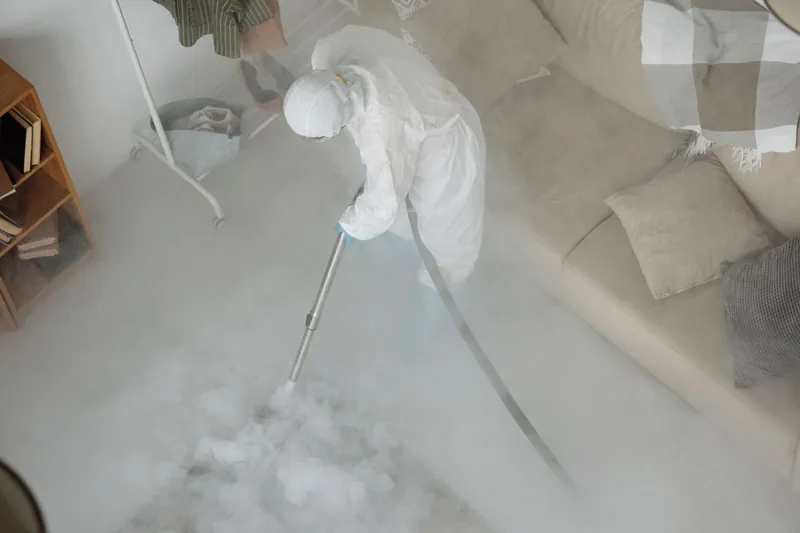
Rooms, surfaces and air receive complete decontamination following infectious or hazardous exposure.
See biohazard decontamination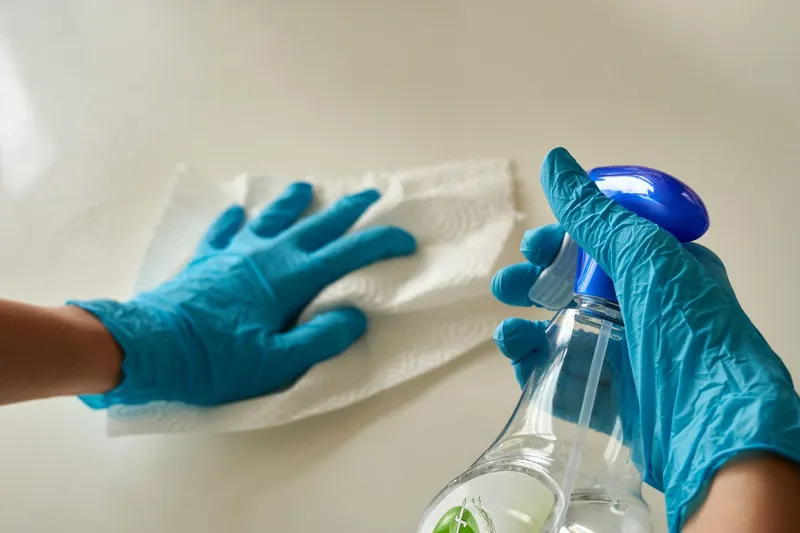
Walls, carpets, furnishings and hard floors receive blood cleanup, with safe disposal afterward.
See blood cleanup
Cleanup that controls hepatitis B, hepatitis C and HIV exposure from blood.
See bloodborne pathogen cleanup
Homes, care environments and businesses receive bodily fluid cleanup and disinfection.
See bodily fluid cleanup
Crime scene cleaning begins after police release and covers blood, odor and the affected property.
See crime scene cleanup
Cleanup after an undiscovered death includes odor control and the effects of days of decomposition.
See unattended death cleanup
Sewage cleanup removes Category 3 black water from raw sewage, then disinfects and dries the area.
See raw sewage cleanupA homeowners policy may cover cleanup when the event that caused the contamination is covered. Deductibles, limits and exclusions vary. Report the cause to your insurance company and ask specifically about contaminated material removal, disinfection, odor treatment, waste disposal and repairs. Save your claim number and requested records.
Yes, dry blood remains a potential biological hazard. Hepatitis B may live on surfaces for at least seven days, the CDC says. Keep bare hands away and avoid ordinary vacuuming or sweeping. First clean the soil from the surface, then disinfect with an appropriate product kept in place for the full labeled contact time.
No. Chemical irritant residue comes from tear gas and pepper spray, while biohazard remediation addresses sewage, other biological matter, blood and bodily fluids. Chemicals may require hazardous materials remediation, which is also known as hazmat remediation. The biological process used in a vehicle is called vehicle biohazard remediation. Mold and sewage remediation remain separate because a backup can leave wet materials that may grow mold.
Published price guides differ widely. A typical national range on Fixr is $3,000 to $5,000, while Yelp's residential average ranges from $1,800 to $4,500. What contamination is present, how large the space is, which surfaces are affected, the waste disposal and any post-cleaning tests all influence scope.
You may manage a few newly spilled drops on a non-porous, hard surface with disposable gloves while using an EPA-registered disinfectant exactly per its label. Professional help is appropriate if you could be exposed during cleaning or if the material includes sharps or sewage, enters porous surfaces, extends beyond what you see or has an unknown source.
Cleaning and disinfection may be possible for hard, sealed furnishings when workers can reach the entire affected surface. Absorbent or upholstered belongings might require removal when contamination soaks into their material. Photos, important papers and mementos can be sorted with you outside the work area before disposal choices are made.
Discreet, respectful biohazard remediation, 24 hours a day, with crews in unmarked vehicles.